
Стальные здания становятся все более популярными и распространенными. С сайта склады гаражи и заводы, эти здания известны своей долговечностью. Однако многие люди скептически относятся к сроку службы этих зданий. Поэтому они спрашивают: как долго служат стальные здания?
К сожалению, невозможно точно определить срок службы стальных зданий. Почему? Причина в том, что на срок службы стальных зданий влияют различные факторы. Однако стоит ожидать, что стальное здание прослужит вам более 50 лет. В этой статье я расскажу все о стальных зданиях и их долговечности. Давайте начнем.
Обзор стальных зданий
Прежде чем говорить о сроках службы, я расскажу об основах этих стальных зданий.
Стальные здания изготавливаются из готовых стальных компонентов. К ним относятся стальные колонны, балки, фермы, панели и так далее. Эти стальные компоненты собираются на месте, чтобы получить готовые здания. При строительстве таких зданий не используется кирпич или дерево. Использование стали делает эти здания прочными и долговечными.
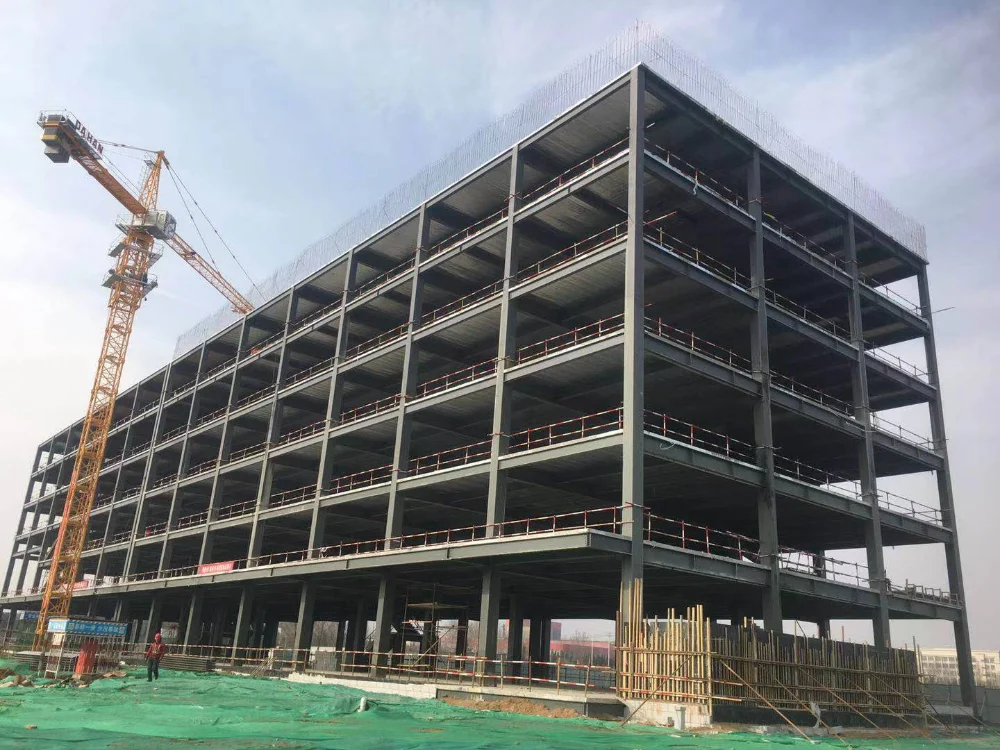
Как известно, деревянные и бетонные здания всегда были очень популярны. Однако эти здания были не очень прочными, что являлось их недостатком. Заражение дерева термитами и пожар в бетонных зданиях - существенные проблемы. Именно поэтому стальные здания оказались отличной альтернативой и дереву, и бетону.
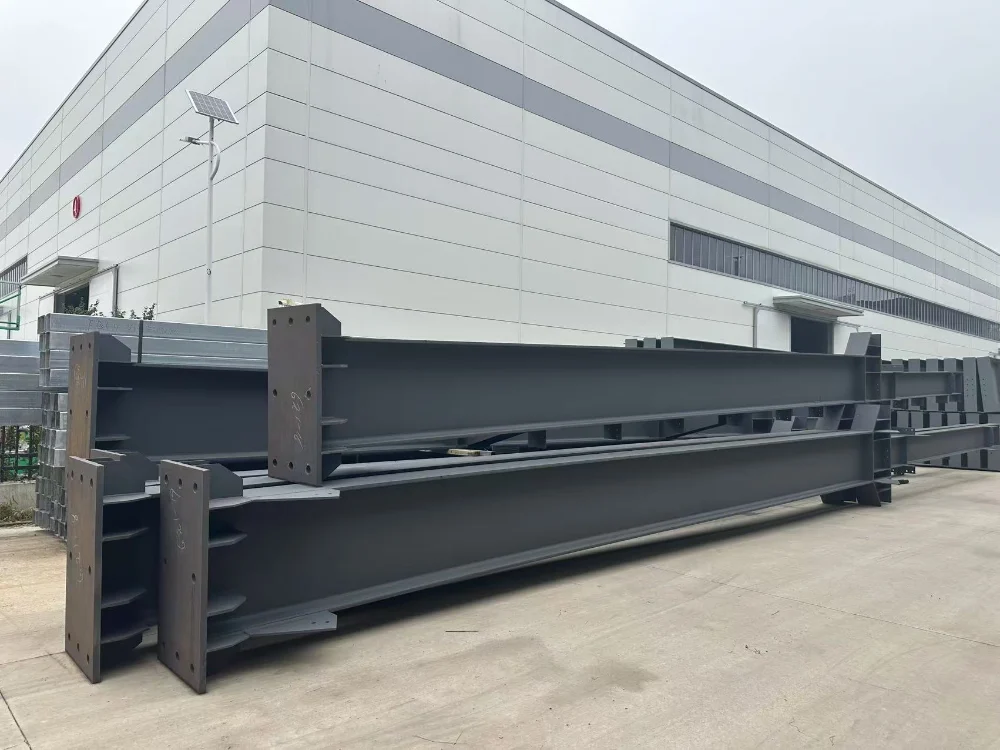
В этих стальных зданиях также используется бетон, но только для фундамента. Бетонное наполнение фундамента придает этим зданиям прочность. Остальные конструктивные элементы этих зданий изготовлены из оцинкованной стали. Колонны и балки - две основные части конструкции стального здания. Они играют важную роль в распределении нагрузки от крыши и других частей на фундамент.
Помимо колонн и балок, существует множество других компонентов. Каждый из этих компонентов изготавливается в мастерской, а затем перевозится на место для установки. Вот список этих стальных компонентов:
- Гиртс
- Шкурки
- Кровельные панели
- Стеновые панели
- Кронштейны
Возможно, вам интересно, для каких целей служат стальные здания. Интересно, что стальные здания долговечны и прочны. Поэтому вы можете использовать их для различных целей. К ним относятся гаражи, склады, авиационные ангары, В них можно строить заводы, фабрики, мастерские и многое другое. Фактически, тенденция к строительству стальных зданий становится общей для коммерческие здания.
Как долго служат стальные здания?
Стальные здания могут прослужить более 50 лет, если за ними ухаживать. При плохом уходе срок их службы может сократиться до 30 лет. При более тщательной эксплуатации можно ожидать, что срок службы превысит 80 лет. Проще говоря, срок службы этих стальных зданий зависит от их регулярного обслуживания.
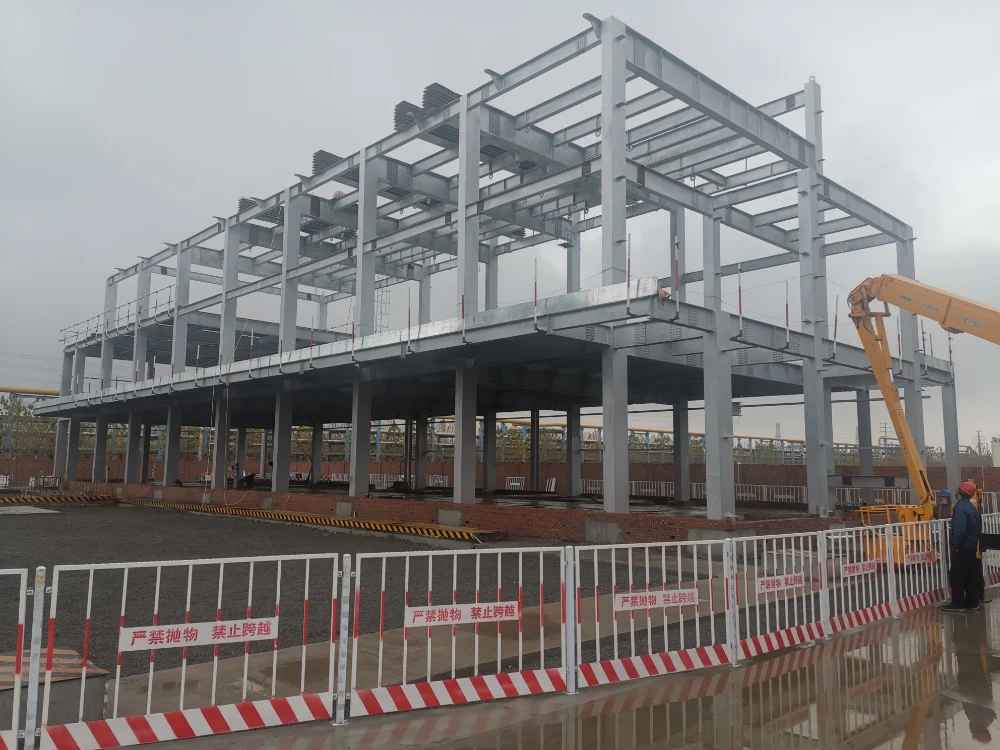
И бетонные, и деревянные здания уязвимы для огня, вредителей, термитов и так далее. Поэтому срок их службы очень мал, что является большим недостатком. Однако стальные здания долговечны и прослужат долгие годы. Стоит отметить, что стальные детали, используемые в стальных зданиях, оцинкованы. Это означает, что эти детали покрываются цинком в процессе гальванизации.
При этом на компоненты наносится слой цинкового покрытия. В результате стальные компоненты, используемые в этих зданиях, не подвергаются коррозии. Благодаря этому стальные здания служат дольше. Ни огонь, ни термиты не оказывают вредного воздействия на эти здания. Однако уход за стальными зданиями является ключевым фактором, который может сократить срок их службы.
Несмотря на оцинковку, стальные детали со временем все равно подвергаются коррозии. Устранение ранних признаков коррозии повысит долговечность ваших зданий. Если вы проигнорируете эти признаки коррозии, то со временем они усугубятся. В конечном итоге это повлияет на долговечность и целостность ваших стальных зданий.
Также следует осмотреть здание на предмет ослабленных креплений или любых других признаков повреждений. Я настоятельно рекомендую нанести тонкий слой краски, чтобы защитить стальные элементы от ржавчины. Стальные здания при надлежащем обслуживании могут прослужить на 20-25 лет дольше, чем те, которые не обслуживаются. Короче говоря, вы должны ожидать, что стальные здания прослужат более 50 лет, что намного выше, чем у деревянных и бетонных зданий.
Факторы, влияющие на срок службы зданий из стальных конструкций
Как я уже говорил выше, на продолжительность срока службы стальных зданий влияет несколько факторов. В следующем разделе вы узнаете обо всех этих факторах.
1 - Качество или марка стали
Интересно, что существуют различные марки стали. Использование высококачественной стали позволит вашему зданию прослужить дольше. Почему? Причина в том, что высококачественная сталь обладает повышенной прочностью и долговечностью. Она способна эффективно выдерживать нагрузку без каких-либо признаков деформации.
С другой стороны, низкосортная сталь содержит примеси. В результате такая сталь не обладает идеальной прочностью и несущей способностью. При использовании в стальных зданиях она сокращает срок их службы. Стальные здания, изготовленные из высокосортной стали, служат на 8-12 лет дольше, чем те, в которых используется низкосортная сталь.
2- Защитные покрытия
Как известно, ржавчина и коррозия - враги здания из стальных конструкций. Как только появляется ржавчина, она может ослабить детали. В результате снижается способность стальных деталей выдерживать нагрузку. При изготовлении стальных деталей всегда следует выбирать оцинкованную сталь.
Оцинкованная сталь имеет цинковое покрытие, которое защищает ее от коррозии и ржавчины. Кроме того, на стальные детали следует нанести другое лакокрасочное покрытие. Эти покрытия помогают защитить детали от коррозии, ржавчины или царапин. Помните, что если стальное здание защищено от ржавчины, оно может прослужить до 80 лет.
3- Условия окружающей среды и воздействие влаги
Стальные здания, расположенные в прибрежных районах, обычно имеют более короткий срок службы. Причина в том, что в прибрежных районах обычно влажно и больше соленой воды. Эти факторы ускоряют процесс ржавления, что негативно сказывается на прочности стальных элементов. Кроме того, постоянное воздействие влаги является еще одним недостатком. С другой стороны, стальные здания, расположенные в сухих районах, служат дольше.
Это связано с тем, что в сухих условиях вероятность появления ржавчины и коррозии очень мала. Помимо влаги, экстремальные температуры также могут повлиять на качество стали. Если температура слишком высока, это может привести к расширению стали, что нарушит целостность стальных компонентов. Если ваше стальное здание расположено в суровых условиях, необходимо нанести защитные покрытия.
4- Качество строительства (качество изготовления)
В стальных зданиях качество строительства имеет большое значение. Если рабочие не выровняют колонны и балки, это может повлиять на распределение нагрузки. В результате нагрузка будет неравномерной, что приведет к ускоренному разрушению здания. Помимо выравнивания, рабочие должны тщательно сварить каждый шов. Не должно быть пористости, которая может ослабить сварной шов.
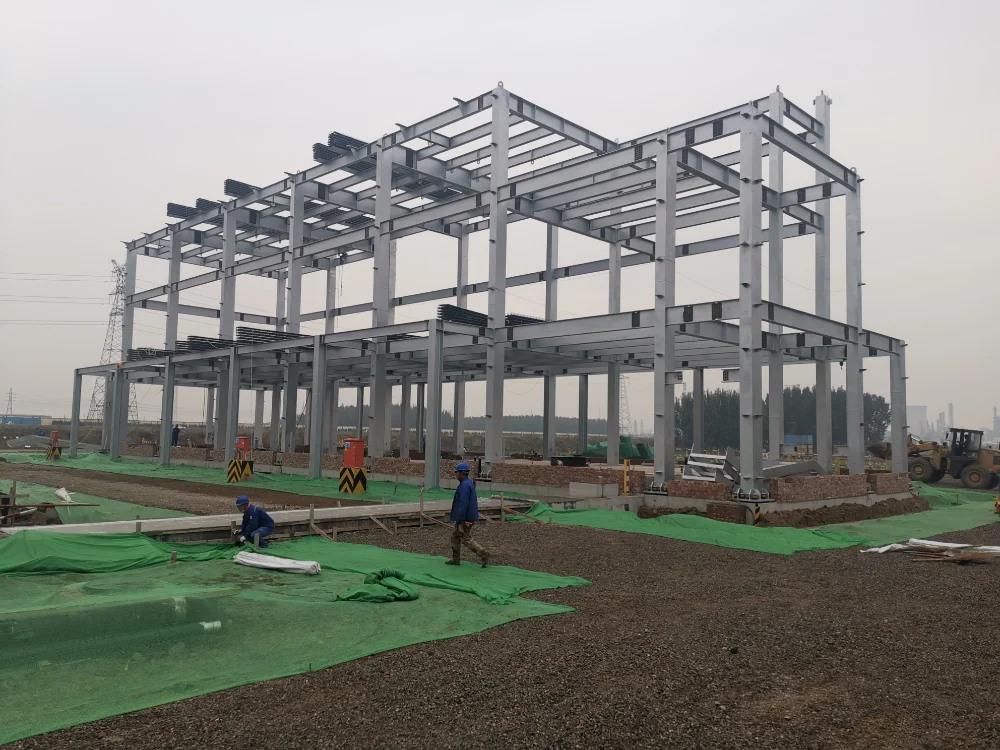
Я настоятельно рекомендую выбирать высококачественные болты и крепежные элементы. При их использовании рабочие должны следить за тем, чтобы они были очень плотно пригнаны друг к другу. Ослабленные болты или крепежи могут повлиять на прочность и качество стальных каркасных конструкций. Для строительства стальных зданий всегда следует выбирать опытную компанию. Это позволит вам получить прочное здание, о котором впоследствии не придется жалеть.
5- Условия нагрузки и использования
В стальных зданиях правильное распределение нагрузки имеет решающее значение. Если нагрузка неравномерна по компонентам, это может привести к катастрофе. В самом худшем случае неравномерное распределение нагрузки может привести к обрушению здания. Это происходит потому, что при неравномерном распределении нагрузки компоненты испытывают разный уровень напряжения. Это неравномерное напряжение ослабляет детали, ускоряя разрушение стального здания. Во время строительства необходимо обеспечить равномерное распределение нагрузки. Стальные здания с лучшим распределением нагрузки могут прослужить от 70 до 80 лет, если за ними хорошо ухаживать.
6- Техническое обслуживание обязательно
Техническое обслуживание - это основополагающий фактор, который может повлиять на срок службы стального здания. Стальное здание, не требующее обслуживания, может прослужить всего 20-30 лет. Напротив, то же самое стальное здание при правильном обслуживании может оставаться в хорошем состоянии более 60 лет. Вы не знаете, что входит в техническое обслуживание зданий из стальных конструкций?
Ниже приведены некоторые советы по уходу за стальными зданиями:
- Проверьте, нет ли ржавчины или повреждений
- Перекраска или повторное покрытие стальных поверхностей
- Очистите от грязи, мусора и химического налета
- Затяните болты, винты и крепежные элементы
- Всегда поддерживайте водостоки и водосточные трубы
- Устраните любые признаки структурного напряжения или изгиба
Как известно, нет ничего идеального, и это относится и к стальным зданиям. Вы столкнетесь с такими проблемами, как мелкие царапины, пятна ржавчины и так далее. Если вы сразу же примите меры по устранению этих мелких проблем, ваше здание прослужит дольше. С другой стороны, если не обращать внимания на мелкие проблемы, то со временем они будут расти, влияя на срок службы здания.
Может ли стальное здание рухнуть?
Да, но в случае со зданиями на стальном каркасе это случается крайне редко.
Стальные здания тщательно проектируются для эффективного распределения нагрузки. Компоненты изготавливаются из высококачественной стали, поэтому они не могут внезапно выйти из строя. Такие здания могут прослужить в очень хорошем состоянии более 50 лет. Однако если у здания есть какие-то проблемы, оно не должно разрушиться. Вместо этого на его поверхности появятся такие признаки, как трещины, изгибы или ржавчина на различных деталях.
Как правило, эти проблемы в первую очередь заметны на кровельных панелях, лакокрасочных покрытиях и крепежных элементах. Если вы заметили, что крепежные элементы сломаны, это говорит о том, что здание находится под неравномерной нагрузкой. Сломанные крепежи, как правило, являются результатом напряжения конкретного компонента, вызванного неравномерным распределением нагрузки. Вот почему рекомендуется всегда осматривать стальные здания.
Это поможет быстрее заметить проблему и найти решения для предотвращения обрушения здания. Помните, что такие здания разрушаются только из-за плохой конструкции. Кроме того, если стальные элементы перегружены, то все это может привести к обрушению здания. Если ваше здание хорошо спроектировано и имеет правильное распределение нагрузки, вам не стоит беспокоиться. Ваше здание не рухнет.
Часто задаваемые вопросы
Сколько времени требуется стали для разложения?
Сталь не разлагается, поскольку не является органическим материалом. Сталь, используемая для строительства зданий, при хорошем уходе служит более 50 лет. Этот материал начинает разрушаться через 100 лет из-за первичной ржавчины и коррозии. После разрушения сталь можно переработать и использовать повторно.
Дерево против стали: Какое здание лучше?
Стальные здания, как правило, лучше деревянных и бетонных. Причина в том, что стальные здания служат дольше. Кроме того, такие здания устойчивы к непогоде, вредителям, термитам и пожарам. Именно поэтому многие люди предпочитают стальные здания бетонным или деревянным.
Заключение
В заключение скажем, что стальные здания могут прослужить вам более 50 лет. При отличном уходе и обслуживании вы сможете сохранить их на протяжении более 80 лет. С другой стороны, пренебрежение или отсутствие обслуживания может быстро привести к разрушению стальных зданий. Интересно, что именно 50+-летняя продолжительность жизни привлекает людей к стальным зданиям.
Выбор между сталью, деревом или бетоном больше не должен ставить вас в тупик. Если вы предпочитаете более длительный срок службы, то всегда выбирайте стальные здания. Помните, что стальные здания могут быть дорогими на начальном этапе, но они экономически эффективны в долгосрочной перспективе. Вредители, термиты или огонь не смогут поразить эти здания, что является значительным преимуществом.